
How to Get the Most from an Insurance Claim
Strong evidence and quick action can help you get the most from a claim.
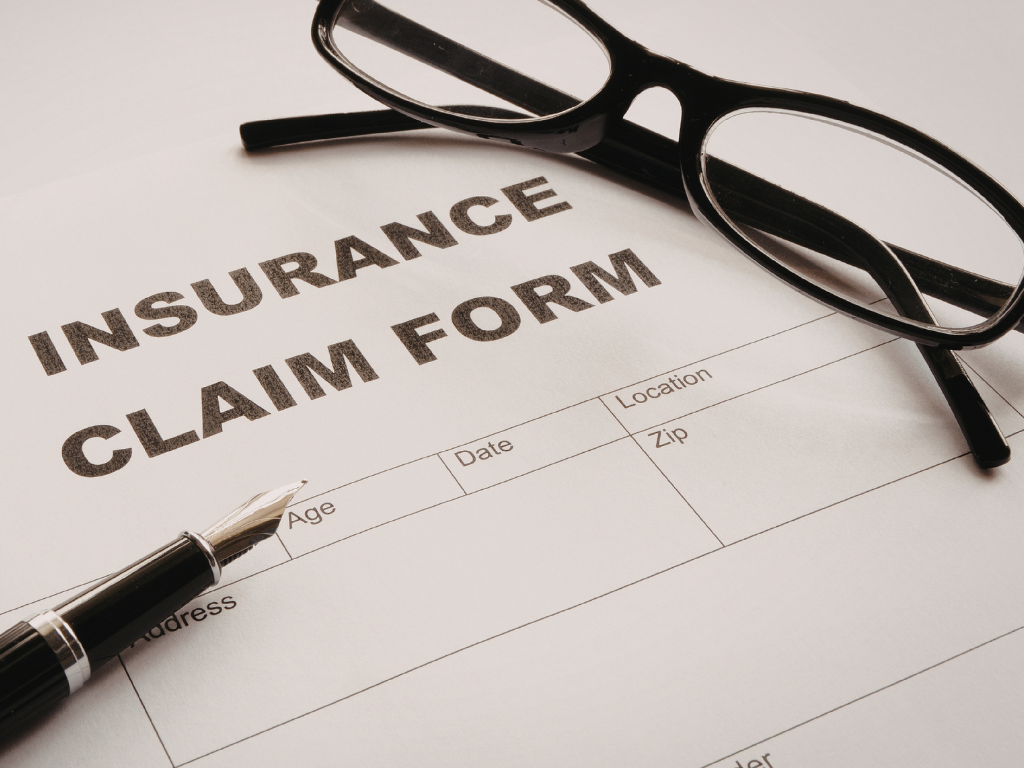
When it comes to making an insurance claim, there are a variety of reasons why it might not be paid out in full, or at all. To help avoid any surprises, we’ve compiled a list of the top 10 reasons claims may be reduced or rejected.
One of the most common issues is underinsurance. It’s vital to have accurate, up-to-date valuations for your buildings. Our experience shows that around 81% of buildings are underinsured.
To avoid this, FSB Insurance Service can arrange discounted desktop valuation services for our customers. Just call us on 020 3883 7976 to find out more.
An area where you might be best seeking the advice of a broker. Not only do people get confused setting the sum to be insured (for example, the insurance method for calculating Gross Profit differs from accountancy), but you also have to think about the Indemnity Period (IP). The IP is the amount of time you’ll be unable to trade at full capacity and needs careful thought.
It’s essential to disclose all relevant information that could influence an underwriter’s decision to provide cover. This includes previous County Court Judgements (CCJs), adverse directorships, criminal records, and any past insolvencies. Failing to disclose these can result in a claim being denied.
To make a valid claim, you must have a financial interest in the property you’re insuring. Without this, your claim could be rejected.
Even minor misrepresentations can lead to claim denial under the Insurance Act. For instance, if your manufacturing process involves heat, and this isn’t typical for your industry, it must be disclosed to your insurer. Anything that could increase the likelihood of a loss should be made clear.
Claims can be denied if you don’t have the necessary documentation to back them up. This could include lacking an electrical safety certificate or failing to keep receipts for cash sales. Ensure you comply with all regulations and keep proper records.
Insurance policies often include both a “declared value” and a “sum insured” for buildings. The declared value should accurately reflect the building’s value on the first day of the insurance period. The sum insured typically includes an allowance for inflation throughout the year (usually 15-25%). However, the sum insured will only protect you adequately if the declared value is correct.
This content is for general information only and is not intended to provide advice or a personal recommendation. Insurance cover is subject to the terms, conditions, and exclusions of the policy. Always consider your individual circumstances and seek professional advice before arranging insurance. External websites are not under our control and we are not responsible for their content.
Strong evidence and quick action can help you get the most from a claim.
Our checklist helps you prepare for an insurance survey at your premises.

The FCA’s business interruption case could impact insurance claims.