
Procurement Act 2023: Insurance & BCP for Public Contracts
Public sector work requires liability cover and continuity planning.

A follow-up to “Climate Change and UK SMEs: How Insurance Is Evolving”
In our previous post, we explored how shifting weather patterns are already affecting insurance premiums, excesses, and cover availability for UK SMEs.
The message from insurers, researchers and regulators is consistent: The cost of doing nothing is rising.
From subsidence risk to flash flooding, climate change is no longer a future issue. It is already influencing how business risks are priced and underwritten.
Based on recent analysis from the Met Office and the Environment Agency, climate risk is developing in phases, each with insurance implications.
| Timeline | Key climate risk | What this means for your insurance |
|---|---|---|
| Short term | Heatwaves (40°C+) and flash flooding | Higher property excesses, more scrutiny on Employers’ Liability and working conditions |
| Medium term | ~15% increase in winter rainfall | Forward-looking underwriting; pricing based on future risk models, not just past claims |
| Long term | Sea level rise and infrastructure stress | Risk of limited availability or “uninsurability” in some coastal areas; greater focus on ESG factors |
The direction of travel is clear: insurers are pricing tomorrow’s risk today.
As the Institute of Chartered Accountants in England and Wales (ICAEW) has highlighted, insurers are paying closer attention to ESG (Environmental, Social and Governance) factors.
In plain English;
“ESG risks will have an increasing impact on SMEs’ insurance policies. It will undoubtedly lead to more costly insurance or, at worse, insurers might not want to offer a policy to those who ignore ESG issues.”
Preparation doesn’t only protect your premises. It can also protect your access to affordable insurance.
1. Document your adaptations
If you’ve:
Make sure your broker knows. These are material facts that can influence underwriting decisions.
2. Review your indemnity periods
With extreme weather now causing wider and longer-lasting disruption, the traditional 12-month Business Interruption indemnity period is often no longer realistic.
Many businesses should now be asking whether 18 or 24 months is more appropriate for a full recovery.
3. Formalise your continuity plan
A written continuity plan is one of the clearest signals you can give insurers that your business is resilient.
It shows you have:
Unlike homeowners, UK SMEs do not have access to Flood Re. That makes individual risk management and professional guidance even more important for businesses in higher-risk postcodes.
Take the first step toward a more resilient business with these practical, UK-specific tools.
📍 Understand Your Risk
📈 Measure & Strategise
🚲 Operational Efficiency
As a reminder, registered members can access our Free Business Continuity Planning (BCP) Kit via their welcome email. This kit helps you build a usable, plain-English response plan for your business.
Not sure where to start? 📞 Call us on 020 3883 7976, and we’ll help you navigate the risks.
This content is for general information only and is not intended to provide advice or a personal recommendation. Insurance cover is subject to the terms, conditions, and exclusions of the policy. Always consider your individual circumstances and seek professional advice before arranging insurance. External websites are not under our control and we are not responsible for their content.
Public sector work requires liability cover and continuity planning.
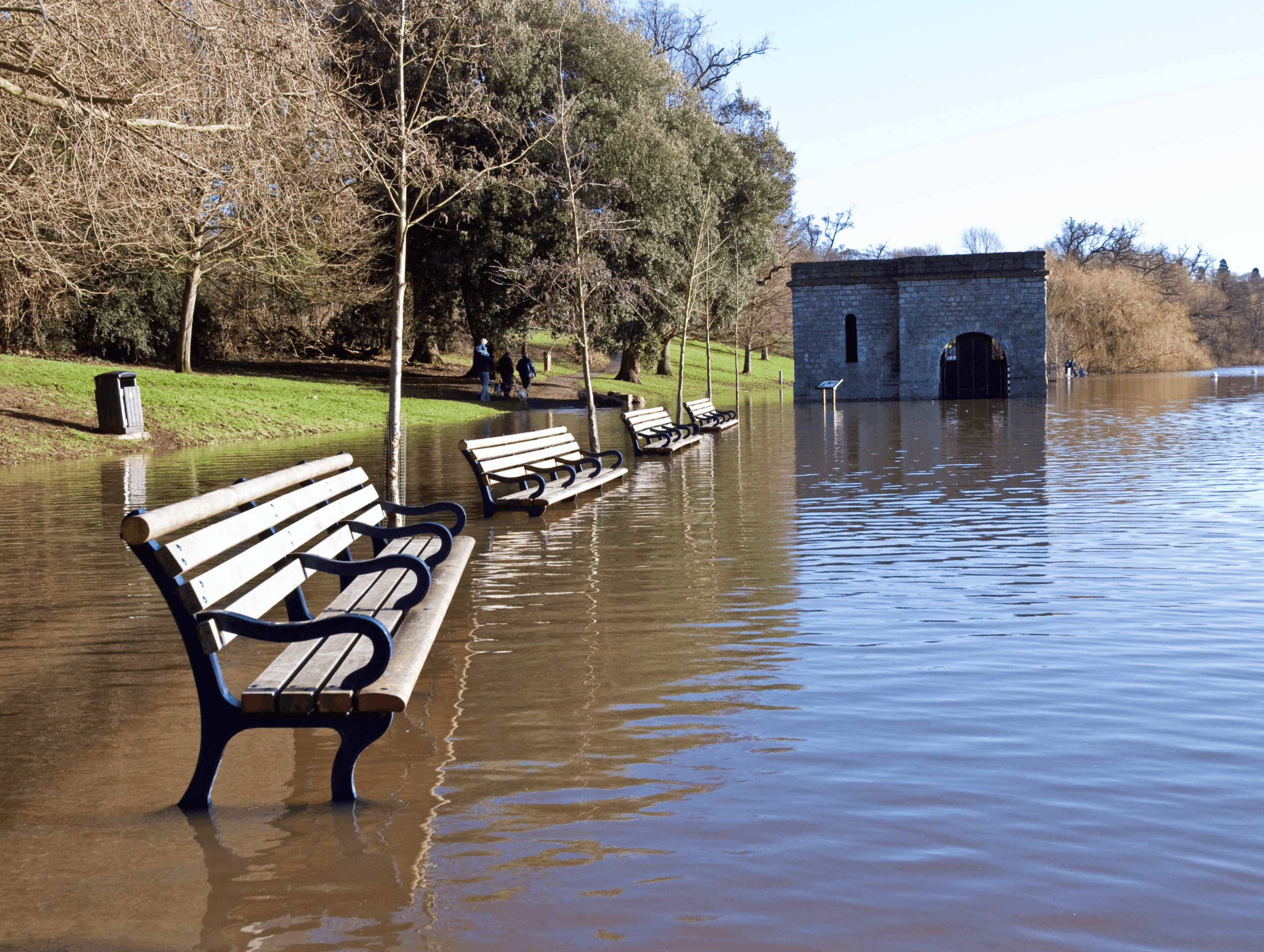
This guide shows what really happens after a fire, flood, or break-in.

A practical guide for UK SMEs on the crucial steps to take after a fire.