
Climate Change Part 2, From Risk to Resilience
Climate change is already influencing how business insurance is priced and underwritten.

The new Procurement Act 2023, which came into force in February 2025, is transforming how public sector contracts are awarded in the UK. Its goal is to create a simpler, more flexible system that opens opportunities for small businesses and social enterprises, embeds transparency, and ensures taxpayer money is spent efficiently.
For SMEs, this makes now an ideal time to prepare to bid for public contracts.
Understanding requirements like public liability insurance and having a business continuity plan in place not only meets buyer expectations but positions your business to compete confidently under the new rules.
Winning a public contract can bring stability, steady cashflow and prestige to your small business. But before councils, NHS trusts or government departments will even read your proposal, you need to prove you’re reliable, compliant and resilient.
Two things buyers look for again and again are public liability insurance and a business continuity plan. Get this right, and you position your business to bid with confidence, and beat competitors.
“Although it’s not a legal requirement to start trading in the UK, we highly recommend that you take PL as soon as you can. Not only will some premises require that you have this insurance before you operate within their walls, but many clients will insist on knowing you have this cover before they decide to use your services.”
Public liability insurance protects your business if a third party is injured or their property damaged because of negligent work you carried out. It covers costs and compensation if you’re held legally liable.
Public sector buyers usually expect proof of adequate cover before awarding a contract. For example, Southwark Council says:
“You must have: Employers’ insurance for at least £5 million, Public liability for at least £5 million (may be more depending on the assessment of risk).”
Even if cover isn’t legally required to trade, many tenders won’t consider bids without it.
Example scenarios:
Without the right insurance, even a small claim could cost tens of thousands, potentially threatening your business continuity.
Most SMEs start with a policy from £1m to £5m of indemnity, but higher-risk sectors or contract requirements may demand more. Always check the tender documents first and speak to an experienced broker to tailor cover to your business.
“…getting up and running again soon after an sends a powerful message to your customers, reassuring them that they will never be left uncertain or under-supplied if the business suffers disruption.”
Business continuity planning isn’t just for big companies. A simple, documented plan shows public sector buyers that:
A BCP typically covers key risks, how you’ll respond, and how you’ll keep services running during outages, supply issues, or staff absence.
Public buyers increasingly ask for evidence of continuity planning, either in a tender or during due diligence. This reassures them that you’re reliable and can stick to delivery timelines, something very important when taxpayer money and essential services are at stake.
“The government wants to buy from small and medium sized enterprises (SMEs) every time they are the best value for money.”
Here’s a simple four‑step process to get tender‑ready:
Templates and checklists make this quick and straightforward. If you are registered with FSB Insurance Service, there is a free BCP plan template available to you on your welcome email, or you can call us to get access.
✔ Start small. Bid for lower‑value opportunities to build a track record and confidence.
✔ Use the official portals. Contracts for England are free to browse on Contracts Finder or Find a Tender.
✔ Answer every question clearly in a tender, don’t assume buyers know your business; show them.
✔ Ask for feedback if you aren’t successful, it helps you improve next time.
Getting compliant and prepared isn’t about bureaucracy; it’s about trust. Public buyers want to know that when they award you a contract, you’ll deliver it safely, on time and without risk to them or their end users.
If insurance feels confusing or you’re unsure how much cover you need, speak to a broker who specialises in UK small business cover. It’s quicker and safer than guessing, and it could make the difference between winning and losing your first public tender.
📞 Call 020 3883 7976 for tailored help or to get a public liability insurance quote.
This content is for general information only and is not intended to provide advice or a personal recommendation. Insurance cover is subject to the terms, conditions, and exclusions of the policy. Always consider your individual circumstances and seek professional advice before arranging insurance. External websites are not under our control and we are not responsible for their content.
Climate change is already influencing how business insurance is priced and underwritten.
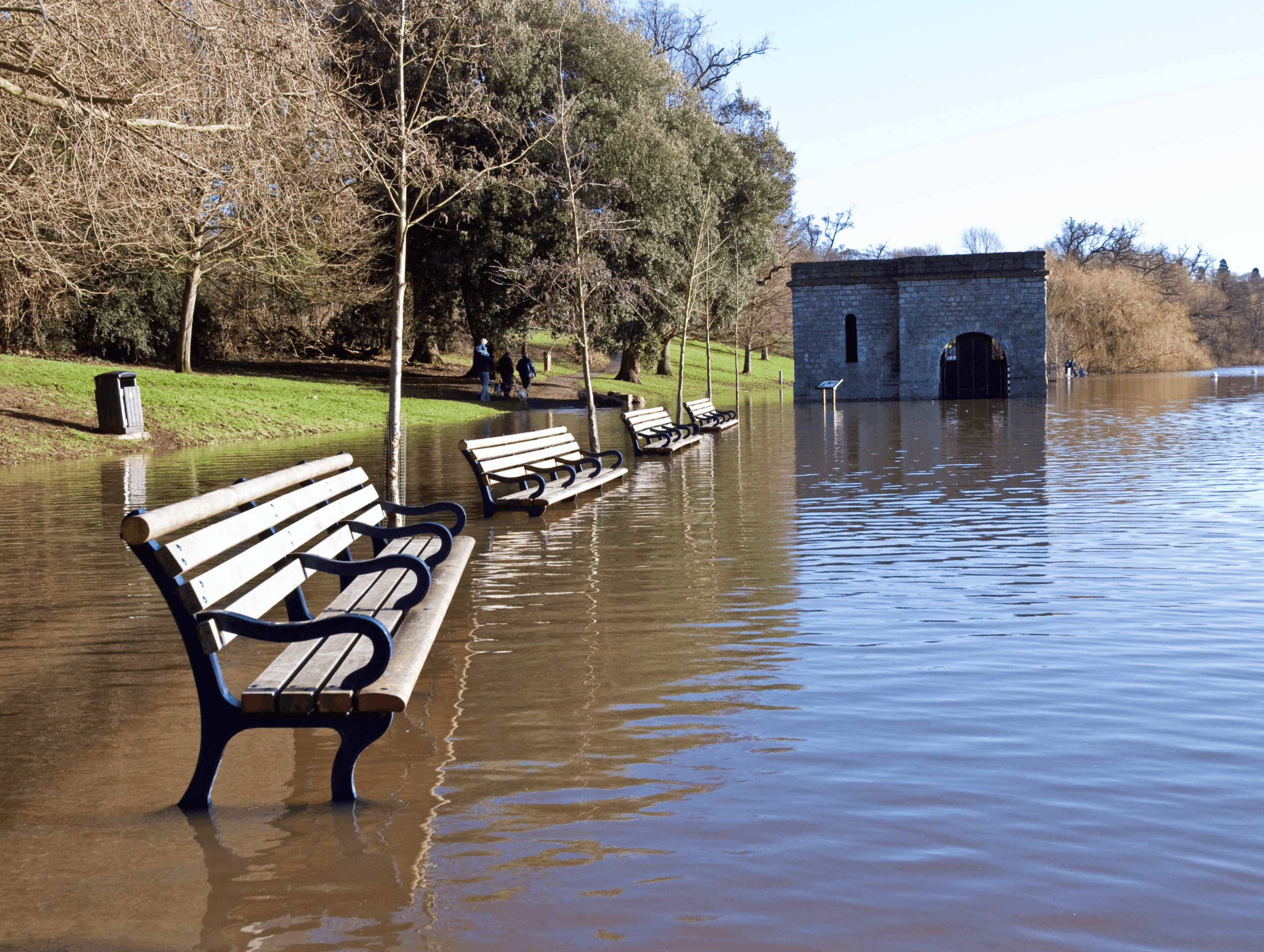
This guide shows what really happens after a fire, flood, or break-in.
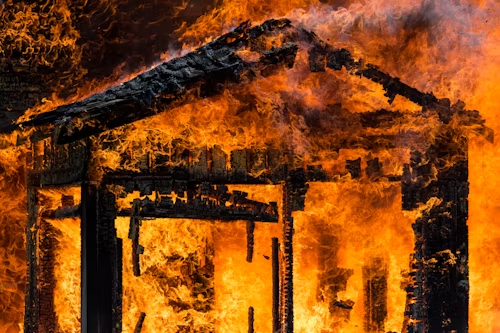
A practical guide for UK SMEs on the crucial steps to take after a fire.