
Year-End Review: Could Your 2026 Campaigns Lead to a Professional Indemnity Claim?
As we wrap up another year, many companies are likely reviewing their activities.
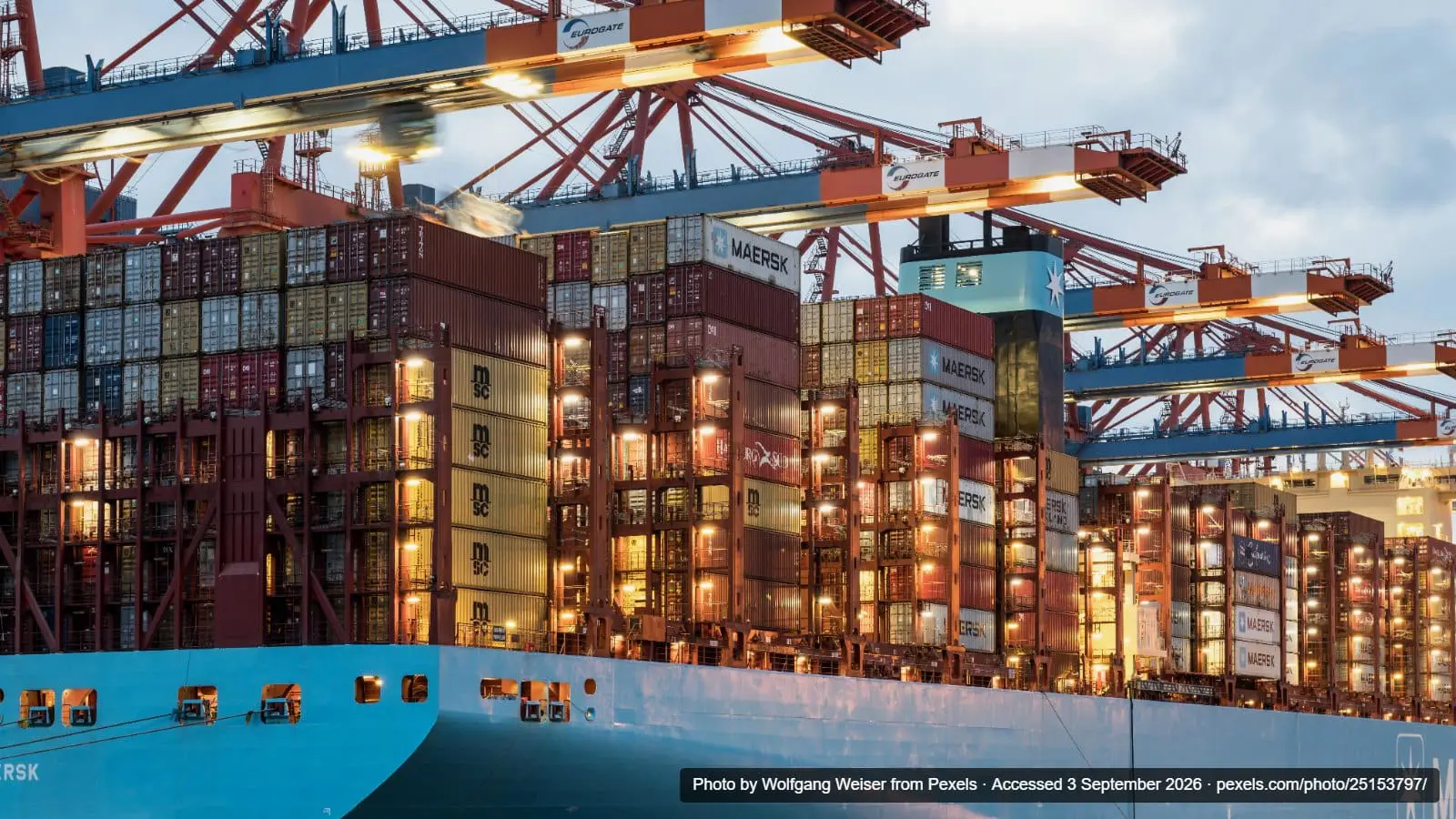
Who’s responsible if your goods are lost, stolen or damaged before they reach your customer?
You’ve packed the order.
It’s your largest overseas shipment yet.
The paperwork is complete, the courier has collected the goods, and your customer is expecting delivery.
Then you receive the call no business wants to hear.
The shipment has been damaged in transit.
Or perhaps it’s been stolen, delayed or simply hasn’t arrived.
Now comes the difficult question.
Who’s responsible?
When businesses think about exporting, they often focus on finding customers, completing customs paperwork and arranging delivery. It’s easy to assume the courier or haulier will cover anything that goes wrong.
Unfortunately, that’s not always the case.
Goods don’t have to be travelling halfway around the world for problems to occur.
Damage or loss can happen at almost any stage of the journey, including:
One of the biggest misconceptions when trading overseas is that someone else is automatically responsible if goods are damaged or lost in transit.
In reality, responsibility depends on several factors, including:
Taking time to understand these responsibilities before dispatching goods can help avoid costly misunderstandings later.
Understanding where the risks exist is the first step towards protecting your business and its cash flow.
Many businesses assume their courier or haulier will automatically reimburse the full value of damaged or lost goods.
However, carrier compensation can vary and may be subject to contractual terms, conditions and financial limits.
Depending on the circumstances, the compensation available may not reflect the full value of the goods being transported or the wider financial impact on your business.
Before relying solely on carrier compensation, it’s worth checking exactly what protection is available and whether it meets your business’s needs.
While no shipment is completely risk-free, careful preparation can help reduce the likelihood of problems and make it easier to deal with them if they occur.
Before goods leave your premises, consider:
If you’re preparing to export goods for the first time, FSB’s guide on How UK Small Businesses Can Start Exporting explains the practical steps involved before entering overseas markets.
Some businesses are comfortable accepting the financial risk if goods are damaged or lost during transport.
Others decide they would rather transfer some of that risk.
Goods in transit insurance may help protect your business if goods are accidentally lost, stolen or damaged while being transported, depending on the policy terms, conditions and exclusions.
It may be worth considering if your business:
Whether insurance is appropriate for your business will depend on your individual circumstances.
Goods in transit insurance is intended to address certain physical losses involving goods during transport. It would not normally protect your business simply because a customer fails to pay an invoice.
If you sell overseas on payment terms, our guide Is Credit Insurance Right for Your Business? explains how trade credit insurance may help businesses manage certain risks involving customer insolvency or prolonged non-payment.
Ask yourself:
FSB research shows there is a strong appetite among UK small businesses to expand internationally.
Its Ready to Dispatch report found that 35% of non-exporting small firms would consider exporting in the future, highlighting the opportunities international trade can bring.
Every successful exporter wants their goods to arrive safely and on time.
Understanding where transit risks exist, knowing who is responsible if something goes wrong and considering whether insurance may be appropriate can help your business trade with greater confidence.
If your business transports goods within the UK or overseas and you’d like to discuss whether goods in transit insurance may be appropriate, speak to FSB Insurance Service on 020 3883 7976.
This content is for general information only and is not intended to provide advice or a personal recommendation. Insurance cover is subject to the terms, conditions, limits and exclusions of the policy. Always consider your individual circumstances and seek professional advice before arranging insurance. External websites are not under our control, and we are not responsible for their content.
As we wrap up another year, many companies are likely reviewing their activities.

Use these ten simple questions to check whether your insurance still reflects your business.
An Employer Reference Number, or ERN, identifies your PAYE scheme.