
Are Your Assets Fully Insured? Avoid Surprises When Applying for Finance
Applying for finance can expose hidden insurance gaps and underinsured business assets.
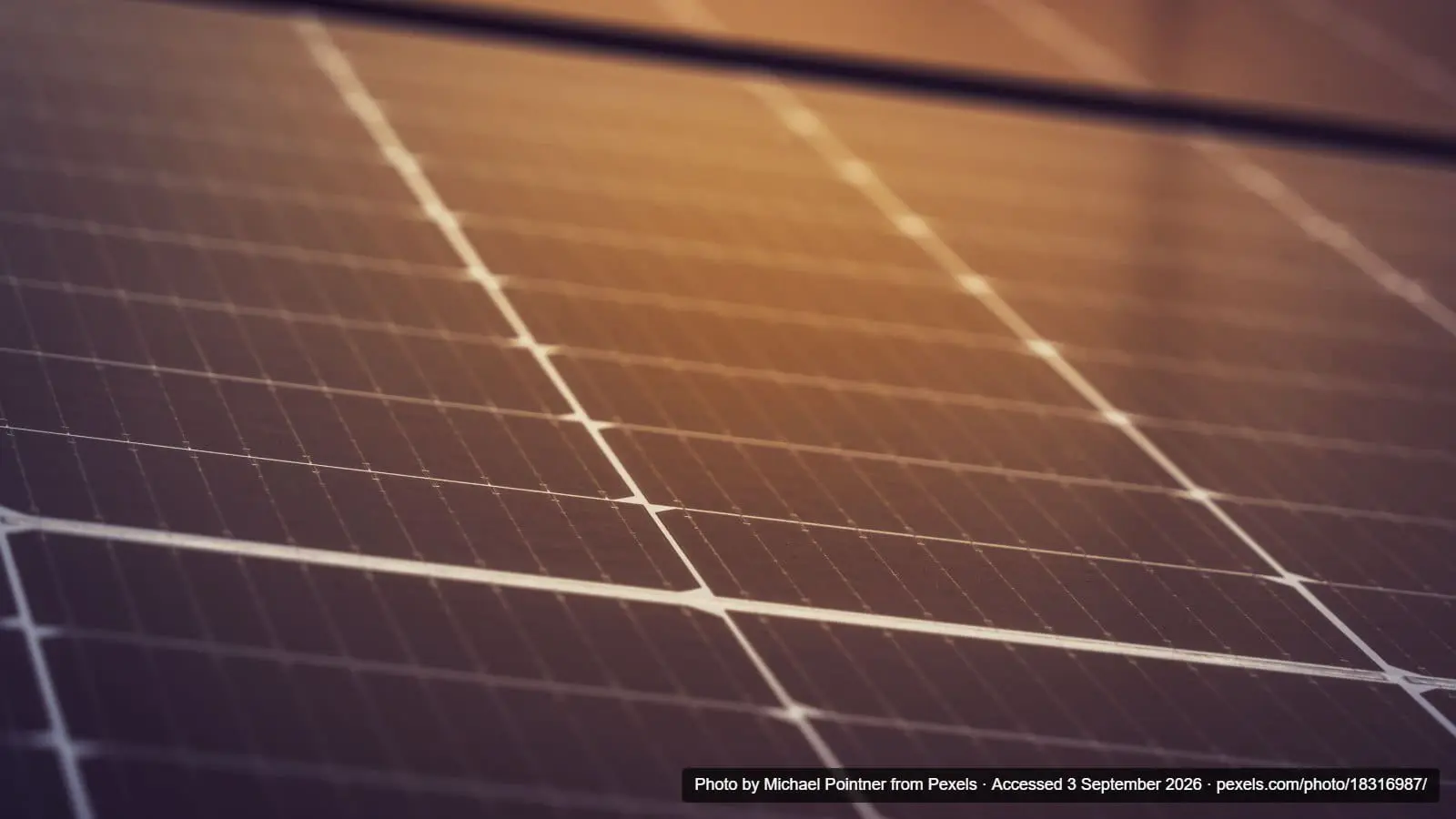
Recent FSB guidance highlighted how solar panels, battery storage and EV chargers can help small businesses reduce energy costs and improve resilience. As more businesses invest in renewable technology, there’s another important consideration that can easily be overlooked:
Has your business insurance kept up?
The presence of PV panels can alter roof performance in a fire scenario.
Installing solar panels or battery storage doesn’t necessarily make your business more dangerous, but it can change how a fire could behave and how insurers and firefighters assess your premises.
That doesn’t mean you’ll automatically need different insurance. However, making significant improvements to your premises can alter your property’s risk profile, making it a good time to review your insurance and ensure it still reflects your business today.
Adding solar panels, battery storage, or EV charging equipment changes your business premises.
Aviva recommends discussing proposals with your insurer or insurance broker before installation, as renewable energy systems introduce additional considerations, including electrical equipment, roof loading, fire protection and ongoing maintenance.
A quick conversation before work begins can help ensure your policy continues to accurately reflect your business.
Renewable energy installations are a significant investment.
Solar panels, battery systems, inverters and EV charging equipment can increase the cost of repairing or reinstating your premises following a major loss.
If your building’s insurance hasn’t been reviewed recently, it may be worth checking whether your sum insured still reflects the cost of rebuilding your property and replacing permanently installed equipment.
We firmly believe that a robust approach to prevention and ensuring industry safety standards are met remain key to managing risks.
Battery Energy Storage Systems (BESS) are becoming increasingly common alongside rooftop solar installations.
These systems are generally considered safe when professionally designed, installed and maintained. However, insurers recognise they present different considerations from traditional electrical installations.
One of these is thermal runaway, a rare but potentially serious battery failure that can generate intense heat, fire and smoke. This is why insurers place particular emphasis on system design, installation quality, battery management systems and ongoing maintenance.
Thermal runaway occurs when a damaged or faulty lithium-ion battery overheats uncontrollably. In some circumstances, this can spread from one battery cell to neighbouring cells, creating intense heat, fire and smoke.
Fortunately, the risk is considered low in properly designed, professionally installed and well-maintained systems. That’s why manufacturers, insurers and fire safety experts all stress the importance of correct installation, battery management and regular maintenance.
Li-ion batteries are generally considered safe to use, the recent rise in reported Li-ion fires highlights the need for better education and training around the risks involved.
Solar panels and battery storage are a significant investment, so they must be installed correctly.
Choosing an installer certified under the Microgeneration Certification Scheme (MCS) provides reassurance that your system has been designed and installed to recognised industry standards. MCS-certified installers follow established technical requirements, helping to ensure renewable energy systems are safe, reliable and fit for purpose.
Quality Guarantee – It ensures that both the equipment and the installation meet strict quality and safety standards.
One of the reasons insurers place so much emphasis on installation quality is that renewable energy systems behave differently during a fire.
For example, solar panels continue generating electricity whenever they’re exposed to daylight, even if the building’s main electrical supply has been isolated. Battery storage systems can also present different firefighting challenges because of the potential for thermal runaway.
This doesn’t mean renewable technology is unsafe. Rather, it highlights why insurers, installers and fire and rescue services all place such importance on professional installation, appropriate system design and ongoing maintenance.
Damaged solar panels on a rooftop can increase the risk of electrocution to firefighters and members of the public.
Once your installation is complete, keep copies of important documents, including:
Keeping these documents together can help demonstrate that your system has been installed and maintained appropriately and may prove useful if you ever need to make a claim.
Renewable technology can become an important part of your day-to-day operations.
If damage to your solar installation or battery storage system affected your ability to trade, would your current business interruption insurance still reflect how your business now operates?
Making significant improvements to your premises provides a good opportunity to review your wider insurance arrangements and ensure your cover continues to meet your needs.
While solar panels on a roof do have many benefits, they should be considered as an additional hazard or exposure to the property they are installed upon.
Solar panels, battery storage and EV charging equipment can help many small businesses reduce energy costs, improve resilience and reduce reliance on the grid.
Like any significant investment, they’re worth protecting.
If you’re planning renewable energy improvements, or you’ve recently completed an installation, FSB Insurance Service can help you review your existing insurance and explain whether your cover still reflects your business today.
A short conversation now could help give you peace of mind that your investment is properly protected.
💡 Did you know?
FSB recently explored how electrification can help small businesses reduce energy costs through technologies such as solar panels, battery storage and EV charging. This article looks at another important consideration: making sure your business insurance keeps pace with those improvements.
This content is for general information only and is not intended to provide advice or a personal recommendation. Insurance cover is subject to the terms, conditions, and exclusions of the policy. Always consider your individual circumstances and seek professional advice before arranging insurance. External websites are not under our control and we are not responsible for their content.
Applying for finance can expose hidden insurance gaps and underinsured business assets.
Ice, frost and compacted snow make slips the number one winter claim.

Here are 8 free tools you can use today to cut risk, protect staff.