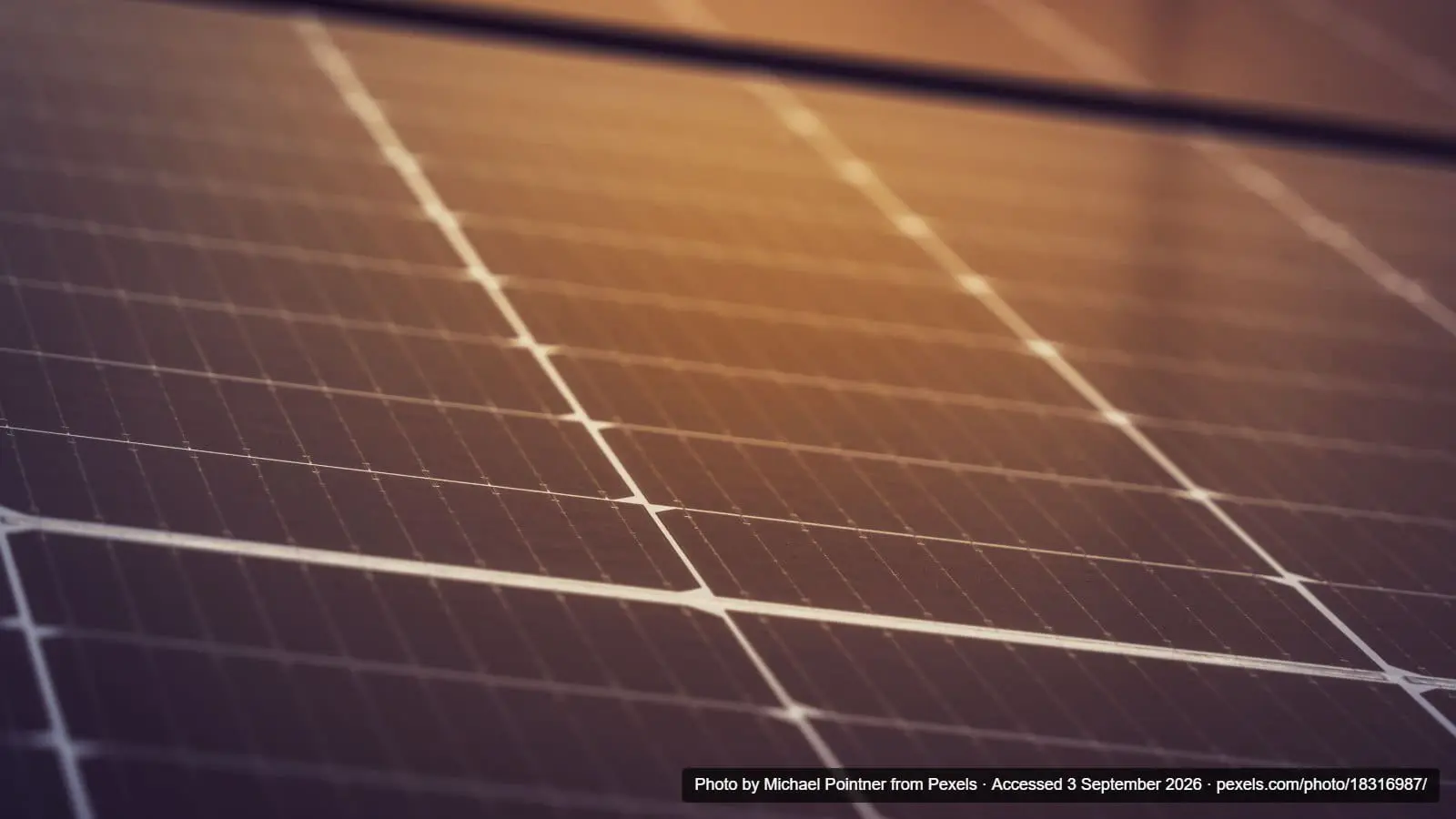
Solar Panels, Battery Storage. Has Your Business Insurance Kept Up?
How renewable energy improvements could affect your business insurance.

Applying for finance can shine a light on parts of your business you have not reviewed in a while.
Maybe you are looking at a loan to support growth. Maybe you are refinancing equipment. Maybe you want funding for new premises, stock, vehicles, or machinery. In many cases, that process pushes business owners to look more closely at the value of what they own, what they owe, and what could happen if something is damaged, stolen, or out of action.
That is where underinsurance can suddenly become a very real problem. The ABI says underinsurance means insuring a risk for less than the level of protection you need, and warns that if you are underinsured, you may receive only part of what you need in a claim, or potentially none at all.
Underinsurance happens when the amount you’ve insured is lower than the real cost of rebuilding, repairing, or replacing what your business relies on. That could include your premises, stock, equipment, fixtures, or specialist tools.
When you apply for funding, lenders or finance providers may look closely at the assets behind the business, especially where plant, machinery, stock, or property form part of the picture.
NatWest, for example, says plant and machinery used as collateral for asset-based credit depend on the life of the asset and an external valuation.
The British Business Bank also notes that accurate valuation matters when a business is seeking to raise capital, and that a valuation may take account of asset inventory and cash flow when determining a business’s true value.
That does not mean every lender checks your insurance in the same way, or that every application turns into an insurance review. But it does mean a finance conversation can reveal a simple question: if something happened to these assets tomorrow, would your current insurance still reflect today’s replacement cost and trading reality?
That is a useful question to ask before a lender, valuer, or accountant asks it for you.
A lot can change between renewals.
Equipment costs rise. Fit-outs become more expensive. Stock levels increase. Specialist machinery is replaced with newer models. You take on extra space. You hold more goods because demand is growing. Or you invest in tech that would take longer to replace than you first thought.
The ABI’s 2026 SME Insurance Guide says business owners should assess the full cost of stock and equipment using current replacement prices, think carefully about building value, and be realistic about how long trading could be interrupted after a serious loss. It also says policies should be reviewed at least once a year and whenever the business changes.
That matters because underinsurance does not only become a problem after a major fire or flood. It can also affect smaller claims. The ABI warns of two key consequences: if a claim exceeds your maximum cover, you pay the rest yourself, and even smaller claim payments can be cut too.
If an insurance claim exceeds your maximum cover, you will have to pay the rest yourself. Payouts on smaller claims can be cut too.
When people hear “assets”, they often think only about buildings or big-ticket machinery. In practice, the list is usually broader.
It may include:
That last point is easy to miss. The ABI includes buildings, contents, and business interruption among the covers SMEs should consider, where relevant, and specifically warns that owners often underestimate how long it takes to start trading again after a major event.
Business interruption – assess how long your business might close if the worst happened (e.g. major rebuilding or a very serious cyber-attack). Be pessimistic. Business owners often under-estimate how long it will take to start trading again.
A funding application is usually about growth. But growth changes your risk.
A new loan might help you buy equipment, increase stock, expand into larger premises, or take on bigger contracts. All positive steps. But each one can increase the financial value at risk inside the business.
So the danger is not just borrowing more. It is borrowing to grow while keeping yesterday’s insurance figures.
That can leave you exposed in two ways:
First, a major loss could leave you with a gap between what it costs to recover and what your insurer will pay, subject to policy terms and conditions.
Second, disruption could affect your ability to keep trading and servicing repayments if the business cannot recover as quickly as expected.
The ABI presents insurance as part of business resilience, warning that historical limits and indemnity periods can be too low, especially as costs rise and recovery takes longer than expected.
Rapid increases in building costs, materials, labour and supply chain delays mean historical limits and indemnity periods can be too low, even if they were considered adequate at the time of renewal.
Underinsurance is rarely deliberate. More often, it happens because the business is busy and the numbers drift.
Common causes include:
Those last two are especially important. Finance value, book value, market value, and insurance replacement value can all be different.
A lender or valuer may look at one figure. Your insurer may need another. That is why a proper review matters.
The British Business Bank says accurate valuation provides a transparent, pragmatic view of the business’s worth and can support better financing outcomes.
An accurate valuation provides a transparent and pragmatic view of your business’s market worth.
Before you start a finance application, or while one is underway, it is worth asking:
Working out how much insurance to buy is more complicated than many business owners expect. Brokers and insurers can help you make informed decisions…
No business wants to pay for cover it does not need. But cutting things too fine can create a much more expensive problem later.
This is why an insurance review can be a sensible part of your wider funding preparation. It helps you sense-check whether your cover still matches the business you have today, not the one you had two or three renewals ago.
If you are applying for finance, growing quickly, or have not reviewed your asset values in a while, now is a good time to take another look.
FSB Insurance Service helps FSB members review their business insurance in plain English, so you can spot possible gaps before they turn into expensive surprises.
Call 020 3883 7976 for a policy review.
This content is for general information only and is not intended to provide advice or a personal recommendation. Insurance cover is subject to the terms, conditions, and exclusions of the policy. Always consider your individual circumstances and seek professional advice before arranging insurance. External websites are not under our control and we are not responsible for their content.
How renewable energy improvements could affect your business insurance.

Ice, frost and compacted snow make slips the number one winter claim.

Here are 8 free tools you can use today to cut risk, protect staff.