
Personal Guarantees for Small Business Loans: What You Need to Know
Signing a personal guarantee could put your personal assets at risk.

Late payment is one of those business risks that can look manageable, right up until it is not.
An invoice slips. A customer asks for more time. Another payment arrives later than expected.
On paper, each delay may look like an admin issue. In practice, it can put pressure on cash flow, eat up management time, and make growth feel harder than it should.
FSB’s late payment work has long highlighted the strain this puts on small firms, while the Small Business Commissioner says late payments leave businesses owed around £26 billion at any given time.
That matters because growth often means offering credit terms.
If you want to win larger orders, build repeat trade, or compete for business in sectors where payment on invoice is standard, you may need to give customers time to pay.
But the moment you do that, you are carrying credit risk. Trade credit insurance is designed to insure trade receivables due within 12 months, helping businesses offer B2B credit terms with confidence.
For many small businesses, late payment is not simply frustrating. It can affect decisions across the whole business.
When cash is tied up in overdue invoices, it can become harder to pay suppliers on time, invest in stock, hire confidently, or plan ahead.
It cannot be right that small businesses spend 86 non-productive hours on chasing debt and that 38 small businesses shut up shop every day due to late payment.
The Small Business Commissioner says affected firms spend around 86 hours a year chasing debt, time owners and finance teams could use to run and grow the business instead.
This is one reason the issue has stayed high on the policy agenda. On 24 March 2026, the government announced a new package of measures to tackle late payment, including stronger powers for the Small Business Commissioner.
Trade credit insurance is not about replacing good credit control. It is about adding another layer of protection when you trade on credit terms.
Trade credit insurance could help indemnify losses if a customer fails to pay due to insolvency, refusal, or inability to pay under the terms of the contract.
It can also help businesses make credit-risk decisions by giving insight into who to extend credit to and what limits to offer.
Trade credit insurance provides cover for businesses if customers who owe money for products or services do not pay their debts, or pay them later than the payment terms dictate. It gives businesses the confidence to extend credit to new customers and improves access to funding, often at more competitive rates. Trade credit insurance is for products and services that are due within 12 months.
The Association of British Insurers (ABI) explanation is similar. It says trade credit insurance is designed for businesses selling goods or services on credit to other businesses, and typically protects against commercial risks such as insolvency or protracted default.
In other words, it can help in two important ways:
First, it may help reduce the financial shock if a business customer does not pay.
Second, it can support better decision-making before problems happen, because trade credit insurance is not only about claims.
It is also about understanding customer risk more clearly. If your business regularly offers payment terms, trade credit insurance may help protect you against the impact of non-payment while also supporting better credit decisions.
Growth usually comes with bigger exposures.
You may start taking on larger orders. You may rely more heavily on a smaller number of customers. You may move into new sectors or start trading with firms you do not know as well as your long-standing clients. Each of those steps can be commercially exciting, but each can also increase the impact of one slow payer or one bad debt.
That is why trade credit insurance is often best understood as a growth enabler, not just a safety net. It allows businesses to trade safely with new customers, trade more with existing ones, and expand into new sectors or export markets.
For a small business owner, that can translate into something very practical: more confidence in saying yes to opportunities that would otherwise feel too risky.
There is a temptation to think about late payment only after a debt becomes a problem. In reality, some of the best protection happens earlier.
That means setting clear payment terms, invoicing promptly, checking who you are trading with, and having a process for chasing overdue accounts quickly and consistently.
The Small Business Commissioner’s guidance also points businesses towards practical tools such as payment rights guidance, an interest calculator, contract guidance and support for unpaid invoices.
For FSB members, there is another useful option.
FSB members who are registered with FSB Insurance Service can access 10 free grade checks from Allianz Trade.
This gives an indication of the risk of trading with up to 10 businesses before offering credit terms. It is a practical way to carry out a sense check on a customer and support better credit decisions before exposure builds.
That is important because prevention is always easier than recovery.
Of course, insurance is only part of the picture. Stronger credit control, better customer checks and a clear process for managing exposure all matter too, which is why it is worth looking at ways to protect your business income.
Businesses still need good terms, disciplined invoicing, and active credit control. Cover will also depend on the policy wording, limits and conditions in place. But, where a business regularly offers B2B credit terms, it can be a valuable part of a wider risk-management approach.
Late payment is often talked about as a cash flow problem. And it is. But it is also a growth problem.
When too much working capital is tied up in unpaid invoices, it becomes harder to move forward with confidence.
Trade credit insurance may help by protecting against serious non-payment risk and giving businesses better visibility over who they trade with.
For firms that want to grow without taking on unnecessary exposure, that can make a real difference.
Late payment is not always something you can control. But some free tools and guides can help you reduce the risk, understand your rights, and make better decisions before offering credit terms.
Guide to Payment Rights for Small Businesses
A plain-English guide from the Small Business Commissioner covering payment terms, statutory interest, fixed compensation and what small firms can do when invoices go overdue.
A useful tool from the Small Business Commissioner to help calculate statutory interest and compensation on overdue business invoices.
Check When Large Businesses Pay Their Suppliers
A GOV.UK tool that lets you check the payment performance of larger firms, including average payment times and the share of invoices paid late.
Step-by-step guidance from the Small Business Commissioner on what to do when a customer has not paid.
Guidance on using contracts more effectively to reduce the risk of overdue payments and unfair terms.
E-invoicing for Small Businesses
Advice on how e-invoicing can reduce admin mistakes and help businesses get paid faster.
FSB’s report on the impact of late payment on small businesses and the case for reform. A useful source if you want to understand the bigger picture as well as the day-to-day impact on cash flow, time and confidence.
FSB: How your small business can deal with late payments
A practical FSB guide with straightforward advice for businesses chasing overdue invoices.
FSB: Late payments and payment methods in small businesses
A helpful explainer on why late payment remains such a persistent issue for SMEs.
FSB members can access 10 free grade checks from Allianz Trade, indicating the risk of trading with up to 10 businesses before offering credit terms.
This content is for general information only and is not intended to provide advice or a personal recommendation. Insurance cover is subject to the terms, conditions, and exclusions of the policy. Always consider your individual circumstances and seek professional advice before arranging insurance. External websites are not under our control and we are not responsible for their content.
Signing a personal guarantee could put your personal assets at risk.

Rising costs are squeezing small firms and increasing financial pressures.
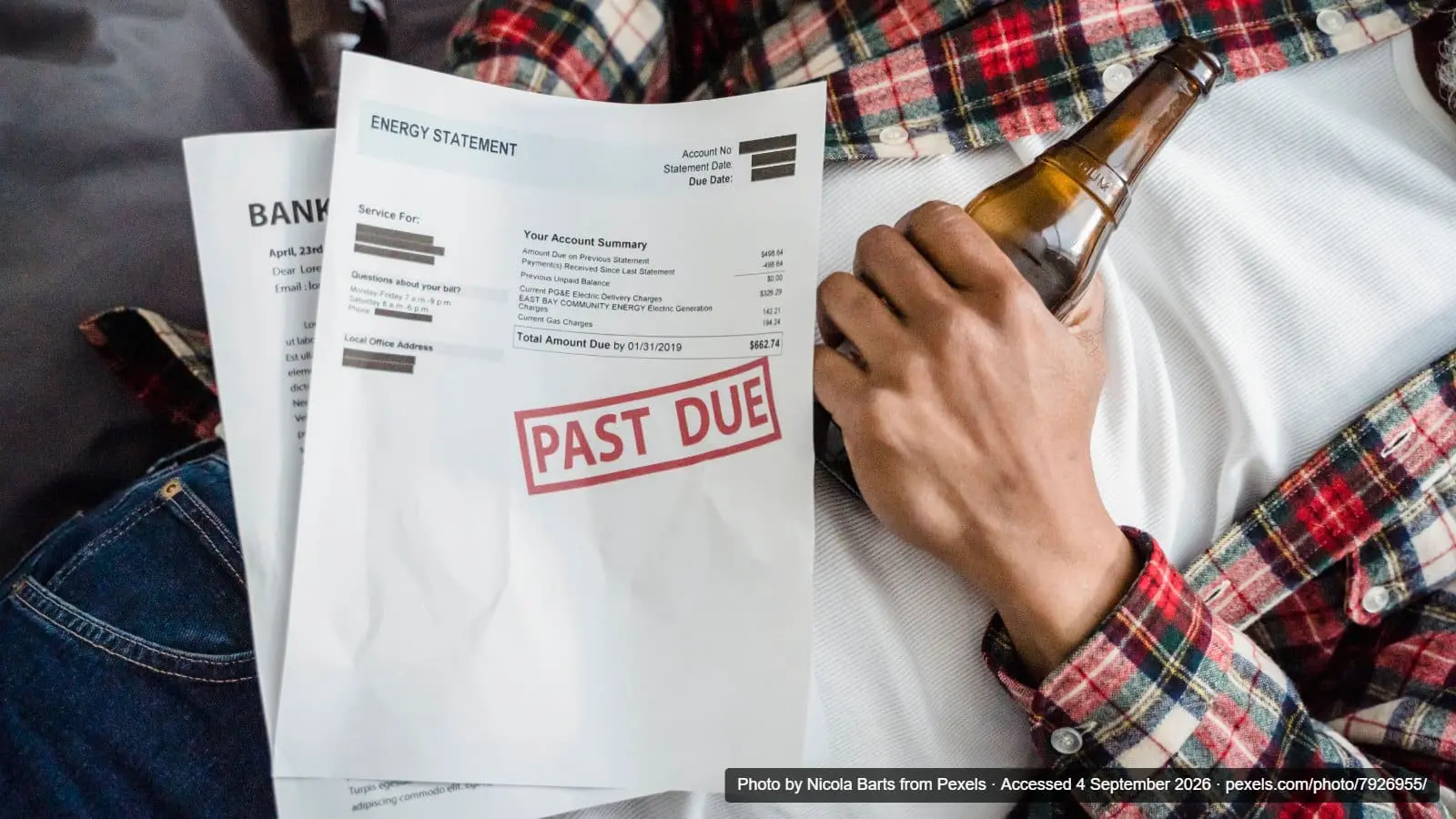
Credit insurance protects your business if customers fail to pay invoices.